
Timeline
1986
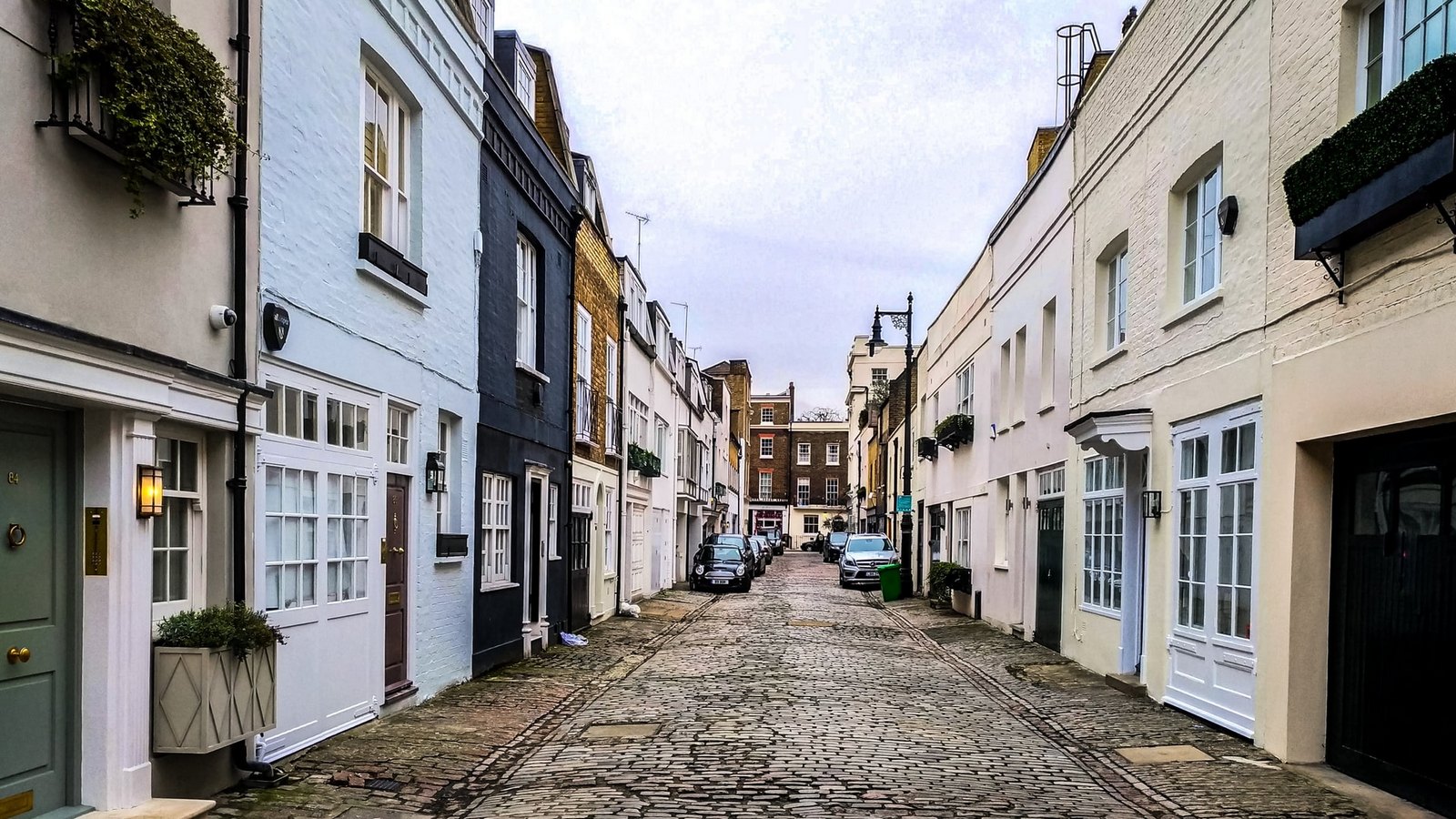
City of Trees
In 1986, it was awarded the title “City of Trees” in the United States.1896
Prince George’s County
In 1896, it became the seventh incorporated municipality in Prince George’s County.1888
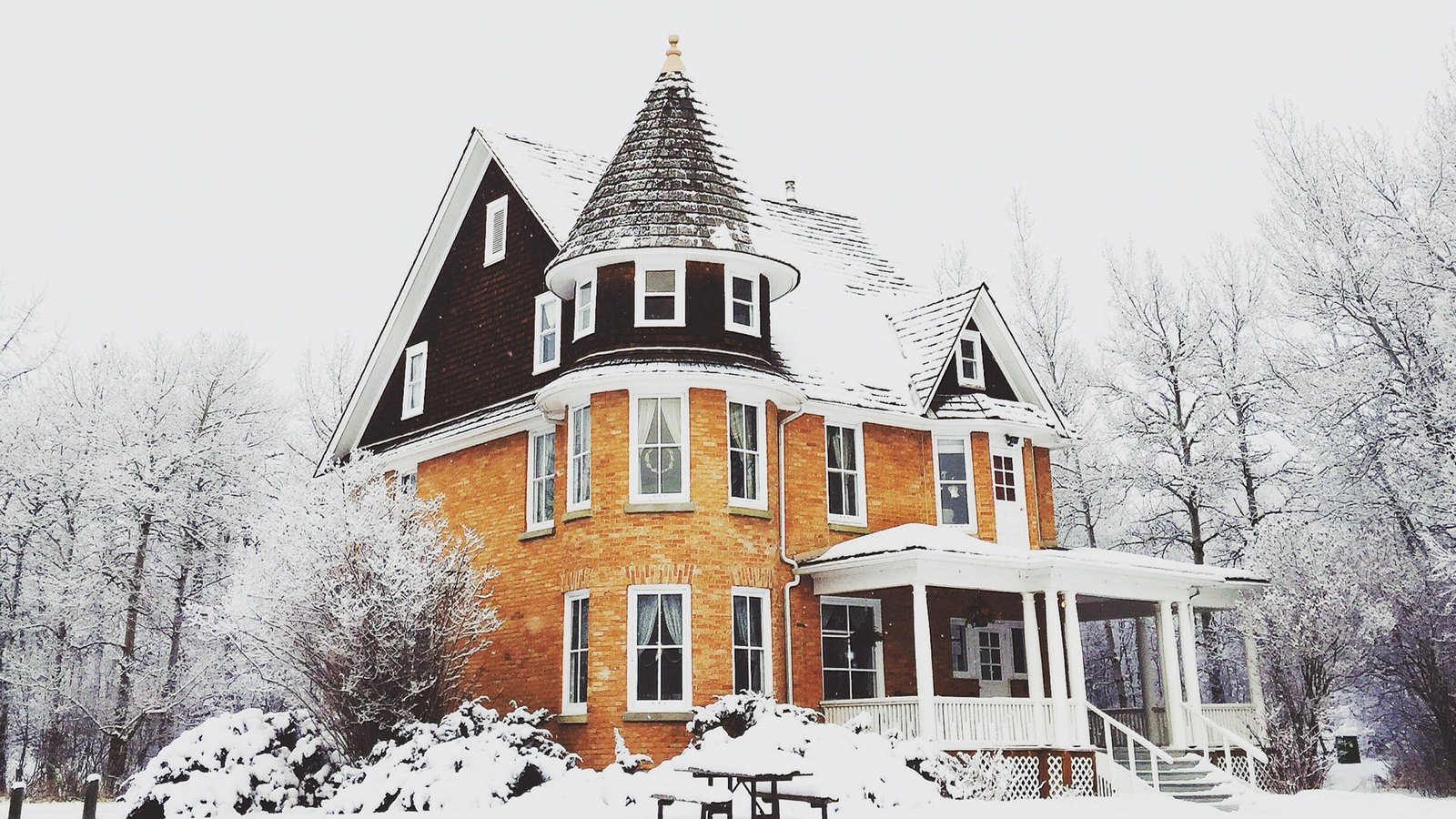
The O’Dea House
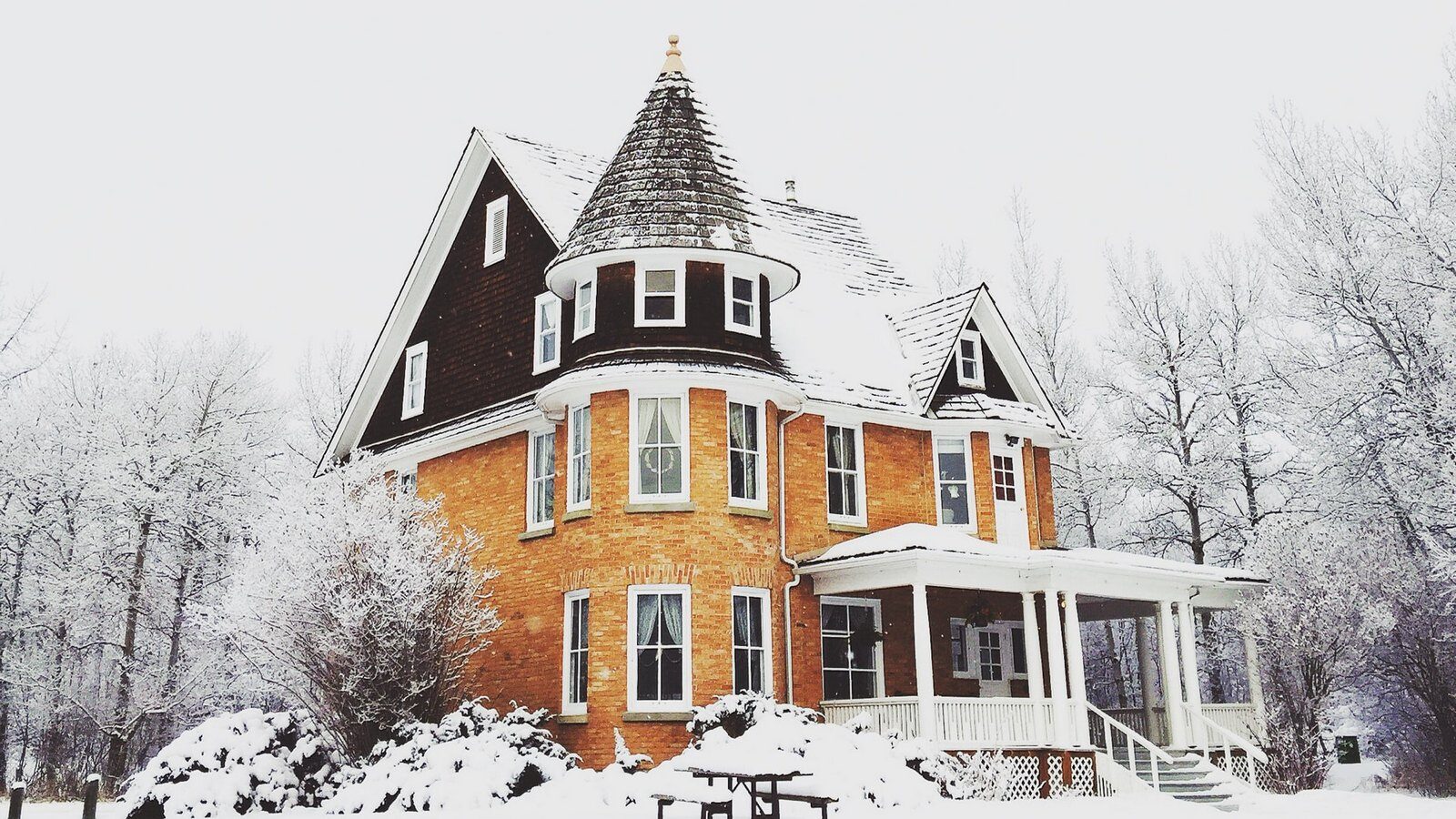
The O’Dea House, listed on the National Register of Historic Places, is one of the houses built in 1888 by the Charlton Heights Improvement Company to stimulate the development of the new subdivision.1870
Charlton Heights
Beginning in the 1870s, the area northeast of Washington, D.C. was the scene of active and continuous development as the city’s population grew and railroad suburbs such as Berwyn Heights, originally covered as Charlton Heights, gradually grew and expanded around it.Brand That Trust Us














News
- Unlocking Maryland’s Hidden Gems: A Local’s Guide to Places and Experiences Off the Beaten Path
 Hey there, wanderlust souls! Maryland might not be the first place that comes to mind when you think of a vacation, but let me tell you, it’s a hidden gem waiting to be discovered. Tucked between Virginia and Pennsylvania, this state offers a wide range of experiences. Aim of this guide: To introduce you to…
 - Maryland Gamblers Rejoice: Sweet Bonanza Slot is Here to Satisfy Your Sweet Tooth
 As a seasoned gambler with over 5 years of experience in Maryland, I have seen my fair share of slot machines come and go. But there’s one game that has truly caught my attention in recent months, and that’s Sweet Bonanza real money slot. Sweet Bonanza is a popular video slot game that features colorful…
 - Best Coffee Houses in Berwyn-Heights
 Berwyn-Heights may be a small town, but it boasts a surprisingly robust coffee scene. Whether you’re looking for a cozy spot to work or a place to catch up with friends, Berwyn-Heights has plenty of options to satisfy your caffeine cravings. In this article, we’ll introduce you to some of the best coffee houses in…
 - The Best Casinos and Online Casinos to Play in Berwyn-Heights
 Are you looking for a fun and exciting way to try your luck and win big in Berwyn-Heights? While there are no physical casinos in town, there are plenty of great options for casino gaming both online and in nearby cities. Here’s a look at the best casinos and online casinos to play in Berwyn-Heights,…
Population according to GeoNames – 3.1 thousand.
A group of surviving original houses are located around Ruathan Street. Four of the houses were built according to plans commissioned by the R. W. Choppell Cooperative Construction Planning Association of New York City.
The only state highway providing direct access to Berwyn Heights: Maryland Route 193 (Greenbelt Road). MD 193 connects east to Greenbelt and west to College Park .
The City Council consists of five members who are elected every two years by popular plurality vote to govern the City of Berwyn Heights. The council member who receives the most votes in the election becomes mayor. The mayor is the head of government and presides over all council meetings, but is otherwise an equal member of the council.